


Missing teeth can affect more than the appearance of your smile. They can make eating harder, affect your confidence, and change how your remaining teeth function. For many patients, dental implants offer a long-term solution for replacing missing teeth.
Still, the word “surgery” can make some people hesitant. If you’re researching dental implants in Palmdale, it’s reasonable to have questions about discomfort, healing, possible complications, and whether implants are right for you.
Dental implant treatment is generally considered a predictable tooth-replacement option when patients are carefully evaluated, and treatment is appropriately planned. However, as with any surgical procedure, implants are not completely risk-free. Understanding the potential risks and the factors that influence treatment can help you have a more informed conversation with your dentist.
Table of Contents
How Safe Is Dental Implant Treatment?
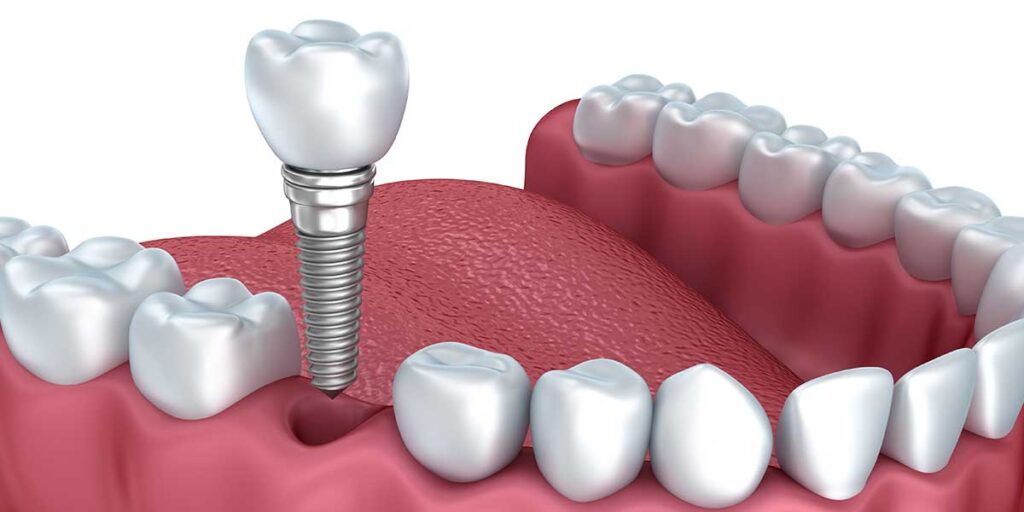
Dental implants involve placing an implant in the jawbone and allowing it to integrate with the surrounding bone before completing the final restoration.
The treatment process varies from patient to patient. Some people may need a single implant to replace one missing tooth, while others may require multiple implants or a full-arch solution such as All-on-4 or All-on-6.
The most important consideration is whether the treatment fits your oral health, bone structure, gum condition, and overall circumstances. A thorough evaluation before treatment can help identify potential concerns and allow your dentist to develop an appropriate treatment plan.
What Are the Possible Risks of Dental Implants?
Although dental implants have a strong track record, complications can occur. Your dentist should explain the potential risks before treatment so you know what to expect.
Infection
As with other surgical procedures, infection is a possible complication following implant placement. Following your dentist’s instructions for oral hygiene and post-treatment care can support healing. Regular follow-up appointments are also important because they allow your dental team to monitor your progress and address concerns promptly. Smoking can also negatively affect healing and may increase the risk of complications.
Implant Failure
For an implant to function properly, it needs to integrate with the surrounding jawbone. This process is known as osseointegration. In some cases, an implant may not successfully integrate or may develop problems later. Factors such as bone quality, oral hygiene, smoking, gum disease, and excessive forces on the implant can influence long-term outcomes. If an implant does not succeed, your dentist can evaluate the reason and discuss appropriate next steps.
Nerve-Related Complications
Implants placed in the lower jaw require careful planning because important nerves run through the area. Advanced imaging and careful assessment of jaw anatomy can help the dentist understand the position of these structures before treatment. Your dentist should review potential risks with you during your consultation.
Sinus-Related Concerns
The upper jaw is located close to the sinus cavities. When implants are being considered in the back portion of the upper jaw, available bone height can be an important consideration.
Depending on your anatomy, your dentist may discuss additional procedures as part of the treatment plan. Your dentist can determine what is appropriate after evaluating your jaw structure.
Bone and Gum Health
Healthy gums and adequate bone support are important considerations for implant treatment. Patients with significant bone loss or untreated gum disease may need additional treatment before implants can be placed. Maintaining good oral hygiene after treatment also helps protect the tissues surrounding the implant.
Who May Need Additional Implant Planning?
Dental implants are not automatically appropriate for every patient at the same time.
During your consultation, your dentist may evaluate factors such as:
- Available jawbone volume
- Gum health
- Existing dental conditions
- Oral hygiene habits
- Smoking or tobacco use
- Overall health history
- Current medications
- Previous dental treatment
These factors don’t necessarily mean implants are impossible. Instead, they may indicate that you need additional evaluation or preparation before treatment.
For example, a patient with significant bone loss may need to discuss preparatory treatment, while someone with active gum disease may need to address the condition before proceeding with implant placement.

Why Is Treatment Planning Important?
Good implant treatment starts before the procedure itself. Your dentist needs to understand your oral anatomy and determine how implants can best support the planned restoration. Imaging and clinical evaluation can provide important information about bone structure, surrounding teeth, gums, and other anatomical considerations. This becomes especially important when multiple implants are involved.
Single Dental Implants
A single implant may be considered when one missing tooth needs replacement. The implant supports a dental crown designed to restore the appearance and function of the missing tooth.
Full-Mouth Dental Implants
Patients who have lost many or all of their teeth may be candidates for a more comprehensive treatment approach. Full-mouth dental implants in Palmdale can involve multiple implants supporting fixed restorations.
Treatment depends on the patient’s individual anatomy and dental needs, so a personalized evaluation is essential.
All-on-4 Dental Implants
All-on-4 dental implants in Palmdale use four implants to support a full-arch restoration. This approach may be considered for patients who need extensive tooth replacement.
However, candidacy depends on individual factors, including bone structure, gum health, and the condition of the remaining teeth.
All-on-6 Dental Implants
Another full-arch approach is All-on-6 dental implants in Palmdale, which uses six implants to support a full-arch restoration.
Whether All-on-4, All-on-6, or another implant solution is appropriate depends on your individual circumstances. A comprehensive consultation can help determine which options to consider.
What Can Patients Do to Support Successful Healing?
Your role does not end when implant placement is complete. Following your dentist’s instructions is an important part of the treatment process.
Patients can support their recovery by:
- Following post-treatment instructions carefully
- Maintaining appropriate oral hygiene
- Attending recommended follow-up visits
- Avoiding tobacco products
- Following dietary recommendations during healing
- Reporting unusual symptoms or concerns promptly
Long-term maintenance is equally important. Dental implants still require regular professional dental care and good daily oral hygiene.
Are Dental Implants Right for You?
The answer depends on your individual dental situation.
Some patients may be excellent candidates for implants, while others may need additional treatment before moving forward. In certain situations, alternative tooth-replacement options may also be worth discussing.
Rather than choosing a treatment based solely on an online search for the “best” implant option, a personalized evaluation can provide much more useful information.
If you’re considering dental implants in Palmdale, Farzad Dental can evaluate your oral health, discuss your concerns, and explain the treatment options that may be appropriate for your needs.
Frequently Asked Questions
Is dental implant surgery painful?
Dental implant placement uses appropriate anesthesia to keep patients comfortable during the procedure. Some soreness, swelling, or discomfort may occur afterward. Your dentist will provide specific aftercare instructions based on your treatment.
How long does dental implant treatment take?
Treatment time varies depending on the number of implants, your oral health, healing requirements, and the type of restoration provided. A single implant may follow a different timeline than a full-arch treatment such as All-on-4 or All-on-6.
Can I get dental implants if I have bone loss?
Possibly. We evaluate bone availability during the implant consultation. Depending on your situation, your dentist may recommend additional treatment before implant placement. Your dentist can explain the options after evaluating your jaw and oral health.
Are All-on-4 and All-on-6 the same?
No. Both are full-arch implant treatment approaches, but they use different numbers of implants to support the restoration. Whether one option is appropriate depends on your anatomy, oral health, treatment goals, and clinical evaluation.
How do I know if dental implants are right for me?
A personalized dental examination is the best starting point. Your dentist can evaluate your gums, teeth, bone structure, oral health, and treatment goals before recommending an appropriate approach.
The Bottom Line
Dental implant treatment can effectively replace missing teeth, but every surgical procedure carries potential risks. Careful evaluation, appropriate treatment planning, good oral hygiene, and following post-treatment instructions can all play an important role in the treatment process.
Whether you’re considering a single implant, full-mouth dental implants in Palmdale, All-on-4, or All-on-6, the right treatment should be based on your individual dental needs, not a one-size-fits-all approach.
If you’re considering dental implants in Palmdale, contact Farzad Dental to discuss available treatment options and next steps. Patients can also view the practice location on Google Maps to plan their visit.