

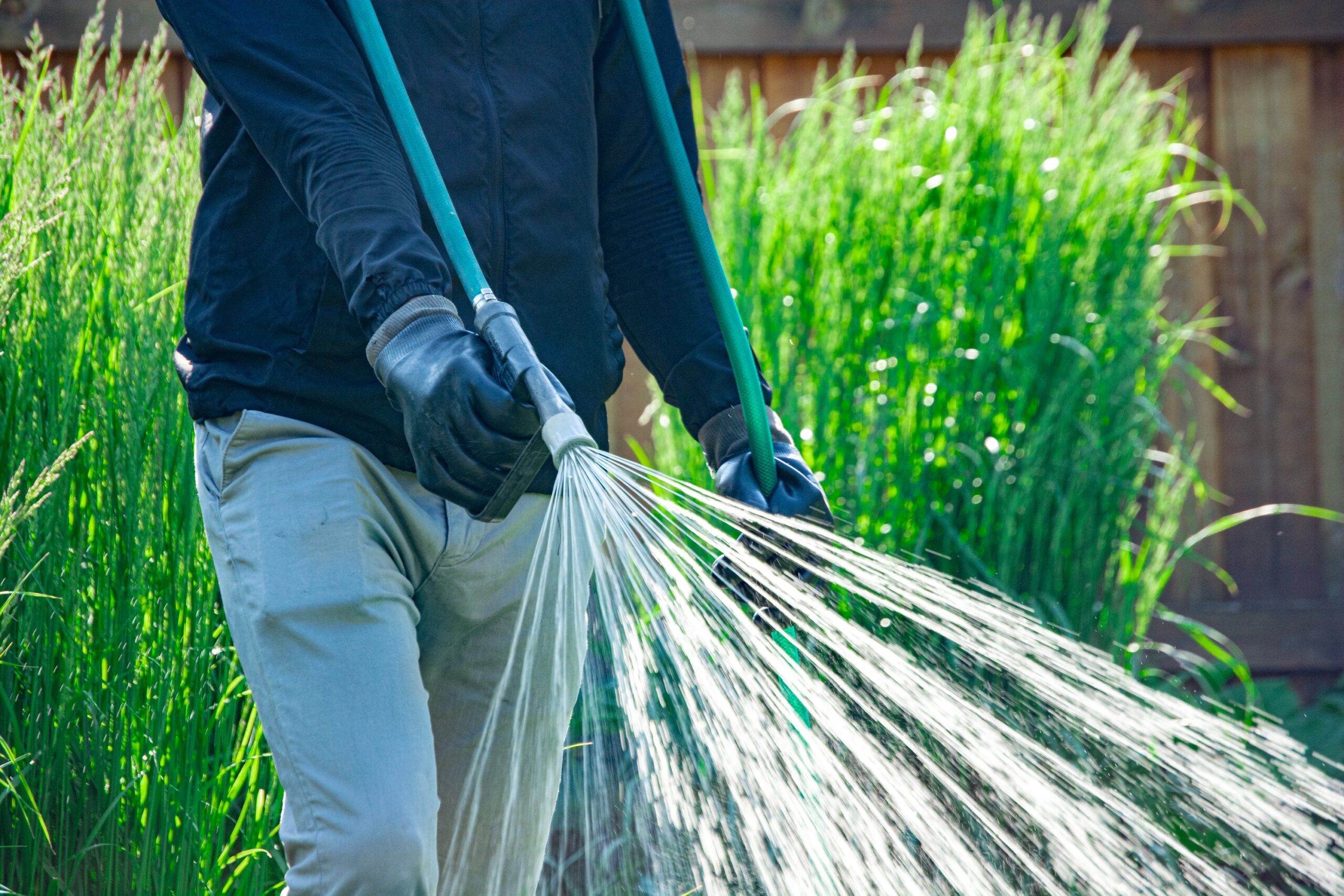
A healthy lawn in Edmonton has to handle more than everyday foot traffic. Long winters, changing temperatures, spring moisture, summer heat, and short growing seasons can all influence turf health and weed growth. When weeds appear, they compete with desirable grass for sunlight, water, nutrients, and space.
Table of Contents
- Why Does Seasonal Timing Matter for Weed Control?
- Spring Weed Control Helps Lawns Start Strong
- Summer Weed Management Protects Turf During Stress
- Fall Weed Control Can Prepare Turf for the Next Growing Season
- Healthy Turf Is One of the Best Defenses Against Weeds
- How Winter Property Care Connects With Lawn Health
- Common Mistakes That Can Encourage Weed Problems
- A Practical Seasonal Lawn Strategy
- Conclusion
That is why seasonal weed control in Edmonton should be viewed as an ongoing lawn management strategy rather than a one-time treatment. By identifying weeds at the right stage of their growth cycle and combining control methods with good lawn practices, homeowners can encourage thicker turf and reduce conditions that allow unwanted plants to spread.
Why Does Seasonal Timing Matter for Weed Control?
Different weeds become active at different points in the growing season. Some establish early in spring, while others become more noticeable during warm summer weather or continue growing into fall. Seasonal treatment allows homeowners to respond when weeds are actively growing and most manageable. It also helps prevent mature weeds from producing and spreading seeds.
Effective seasonal weed control in Edmonton generally works best when combined with mowing, watering, fertilization, aeration, and other turf-management practices. Weed treatment alone may remove visible plants without addressing the thin or stressed grass that allowed them to establish.

Spring Weed Control Helps Lawns Start Strong
Spring is an important period for lawn recovery in Edmonton. As snow disappears and soil temperatures rise, turf begins returning to active growth. Unfortunately, weeds can also take advantage of exposed soil, weak grass, and areas affected by winter stress. Homeowners should inspect the lawn once conditions allow. Look for broadleaf weeds, bare areas, compacted soil, and thin turf.
Useful spring practices can include:
- Removing excessive debris once the lawn is ready
- Mowing at an appropriate height
- Repairing thin or bare turf
- Applying suitable fertilizer based on lawn needs
- Addressing actively growing weeds before they spread
- Checking soil compaction and drainage problems
Professional lawn care in Edmonton can also help homeowners determine whether weeds are the main problem or a symptom of underlying turf stress.
Summer Weed Management Protects Turf During Stress
Summer presents a different challenge. Hot weather and inconsistent rainfall can stress grass, especially when lawns are cut too short or watered poorly. Weeds that tolerate stressful conditions may then gain an advantage. Instead of relying only on weed treatments, homeowners should focus on keeping turf dense and resilient.
Use Smart Watering Practices
Deep, appropriate watering can encourage grass roots to grow farther into the soil. Frequent, shallow watering may promote shallow roots and create conditions that favor certain unwanted plants. Watering needs vary with weather, soil conditions, turf type, and municipal restrictions, so homeowners should adjust irrigation according to actual lawn conditions.
Avoid Cutting Grass Too Short
Scalping a lawn removes too much leaf surface and can weaken turf. Maintaining a suitable mowing height helps grass shade the soil and compete more effectively with emerging weeds. Sharp mower blades also create cleaner cuts and reduce unnecessary stress on the turf.
Watch for New Weed Growth
Regular inspections make it easier to spot isolated weeds before they spread. Early identification also matters because not every unwanted plant should be managed in exactly the same way. Green Drop Lawns Ltd can support homeowners who want a more structured seasonal approach based on local growing conditions and lawn needs.
Fall Weed Control Can Prepare Turf for the Next Growing Season
It is easy to stop thinking about weeds once summer ends, but fall can still be an important management period. Some perennial weeds remain active as temperatures cool. At the same time, healthy turf can benefit from appropriate fall maintenance before winter dormancy.
Fall lawn tasks may include continued mowing while grass is actively growing, removing heavy leaf cover, addressing weeds where appropriate, and improving thin turf. These practices can help reduce weak areas that weeds might occupy the following spring. A consistent approach to weed control in Edmonton therefore considers both immediate weed problems and the lawn’s long-term condition.
Healthy Turf Is One of the Best Defenses Against Weeds
Weeds often take hold where turf is thin, damaged, compacted, or poorly maintained. Stronger grass makes it harder for new weeds to find enough space and resources to establish. This is why weed management and general lawn health should be considered together.
A practical lawn strategy may involve proper fertilization, sensible irrigation, mowing at a suitable height, aerating compacted areas, and repairing bare patches. When these practices are combined with targeted weed management, homeowners can focus on the cause of recurring problems instead of repeatedly treating visible symptoms. Consistent lawn care in Edmonton is especially useful because seasonal conditions can change quickly. Lawn maintenance should respond to weather and turf conditions rather than follow a rigid schedule regardless of what is happening outside.
How Winter Property Care Connects With Lawn Health
Winter may seem unrelated to weed management, but what happens during the colder months can affect turf condition in spring. Heavy snow piles, repeated traffic over frozen or snow-covered turf, and compacted areas can contribute to uneven spring recovery. Careful snow removal in Edmonton can help property owners manage access while protecting landscaped areas.
Where practical, avoid repeatedly piling excessive snow, ice, salt, or debris onto sensitive lawn areas. Once spring arrives, inspect locations that experienced heavy winter traffic or prolonged snow accumulation. Planning snow removal in Edmonton with landscaping in mind can make the transition into spring lawn maintenance easier.
Common Mistakes That Can Encourage Weed Problems
Even lawns that receive regular maintenance can develop weeds when everyday practices unintentionally weaken the grass. One common mistake is mowing too short. Another is watering lightly and too frequently instead of adjusting irrigation to soil and weather conditions. Ignoring bare patches can also provide open areas where weed seeds can establish.
Homeowners should also avoid assuming every weed problem requires the same treatment. Weed species, turf condition, time of year, and the size of the affected area can influence the appropriate management approach. When using any lawn-care product, always follow its label directions and applicable local requirements.
A Practical Seasonal Lawn Strategy
An effective yearly plan does not need to be complicated. The goal is to match lawn care activities with the turf’s changing needs. In spring, inspect winter damage and encourage healthy recovery. During summer, maintain suitable mowing and watering practices while watching for emerging weeds. In fall, continue supporting turf health and address appropriate weed problems before winter. This seasonal approach makes weed control in Edmonton part of preventive lawn care rather than a reaction that begins only after weeds have spread across the yard.
FAQs
When should homeowners begin checking their lawns for unwanted plants?
Start inspecting the lawn after snow has melted and the turf begins actively recovering. Early inspections can reveal bare patches, compacted areas, drainage issues, and unwanted plants before they become widespread.
Why do unwanted plants keep returning after you remove them?
Recurring problems can result from remaining roots, seeds in the soil, nearby seed sources, or weak turf that leaves open space for weeds. Improving grass density can be just as important as removing visible plants.
Can mowing practices affect unwanted plant growth?
Yes. Cutting grass excessively short can weaken turf and expose more soil to sunlight. Appropriate mowing height and sharp mower blades help keep grass stronger.
Should a lawn be watered every day during summer?
Not necessarily. Water requirements depend on rainfall, temperature, soil, and turf condition. Deeper, less frequent watering is generally more useful than automatically applying small amounts every day.
What should homeowners check after winter?
Look for thin grass, bare patches, compacted areas, excess debris, drainage concerns, and sections affected by winter traffic or heavy snow accumulation. Early attention can support more even spring recovery.
Need seasonal weed treatment for a healthier Edmonton lawn? View Green Drop Lawns Ltd on Google Maps to check the Edmonton service location and plan professional lawn care suited to local growing conditions.
Conclusion
Seasonal lawn management works because it addresses weeds and turf health throughout the growing cycle. Spring inspections, summer maintenance, fall preparation, proper mowing, suitable watering, and attention to soil conditions can all contribute to a denser, more resilient lawn.
Rather than waiting until weeds become widespread, homeowners can use seasonal weed control in Edmonton as part of a broader preventive strategy. Green Drop Lawns Ltd provides Edmonton-area lawn services for property owners who want professional support in maintaining healthier turf through changing seasonal conditions.
Get Professional Weed Control in Edmonton Today!
Keep your lawn healthy, green, and weed-free with seasonal lawn care from Green Drop Lawns Ltd. Contact the team to learn more about professional weed control services in Edmonton.
Toll-Free: 1-877-647-3366
Phone: (403) 273-9000
Email: greenkeeper@greendrop.com
Website: https://www.greendrop.com/edmontonTake the first step toward a healthier, greener lawn today!