

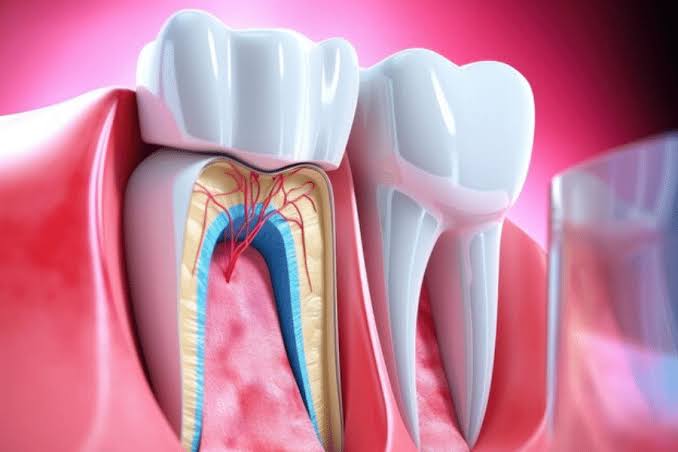
A toothache may seem manageable when the pain comes and goes. Many people wait, hoping that sensitivity will settle down or disappear after a few days. However, when the pulp inside a tooth is inflamed or infected, delaying a root canal in Los Angeles can allow the condition to worsen. Prompt dental care can help relieve discomfort, control infection, and preserve the natural tooth whenever possible.
Table of Contents
Root canal therapy is a restorative procedure that removes damaged or infected pulp from inside a tooth. The area is cleaned, disinfected, and sealed to help prevent future bacterial growth. It is often recommended when a deep cavity, crack, injury, or repeated dental work has affected the inner tissue.
Why a Root Canal in Los Angeles Should Not Be Delayed
A painless root canal in Los Angeles may be recommended when infection or inflammation has reached the pulp. This tissue contains nerves and blood vessels, so damage can cause severe sensitivity, pain when biting, or swelling near the gums. Although symptoms vary, the underlying issue usually does not heal on its own without professional care.
When treatment is delayed, bacteria can travel through the roots and affect the surrounding tissue and bone. In some cases, an abscess may form. Early evaluation allows a dentist to treat the cause before it leads to more extensive damage or tooth loss.
Take the next step toward a healthier, more confident smile. Schedule your appointment with Century Smile Maker today for personalized dental care in Los Angeles. Choose a time that fits your routine and move forward with comfort.
How Dental Problems Can Progress Over Time
Dental infections may develop gradually. A small cavity can grow deeper, a minor crack can widen, and irritation inside the tooth can become a serious infection. Knowing how the problem can progress helps patients make informed decisions about timing.
Pain May Fade Without the Problem Going Away
Pain is an important warning sign, but it is not the only sign of infection. Sometimes the nerve inside a damaged tooth loses vitality, causing the pain to lessen or stop. This can create the false impression that the tooth has healed.
In reality, bacteria may remain inside the root system. A dental examination and X-rays can help identify changes around the roots, even when discomfort is no longer severe. That is why it is best not to delay an appointment simply because the pain has improved.
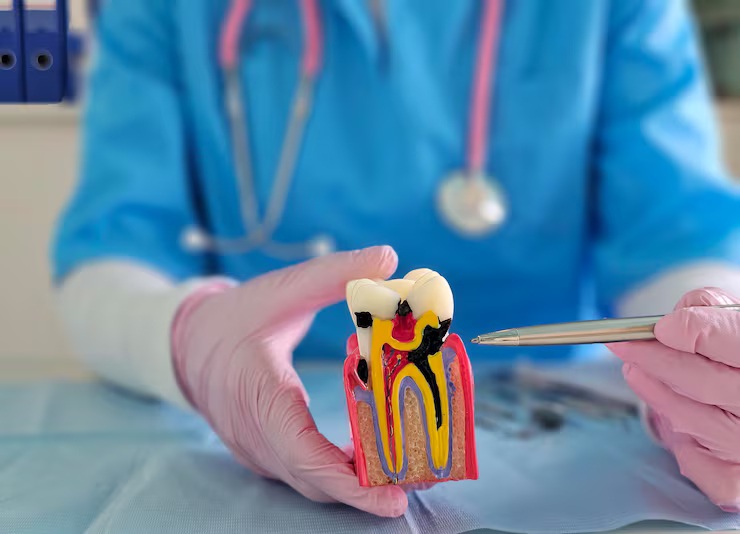
Infection Can Reach the Surrounding Tissue
An untreated infection can spread beyond the tooth and irritate the gums, jawbone, and nearby tissue. This may lead to swelling, tenderness, a bad taste in the mouth, or a small bump on the gums that releases fluid.
Seek urgent medical attention if swelling affects breathing or swallowing, spreads quickly, or occurs with fever. These symptoms require prompt assessment. For non-emergency symptoms, scheduling an appointment with a dentist in Los Angeles can help determine the right next step.
A Weakened Tooth May Crack or Break
A tooth with deep decay, a large filling, or an untreated infection can weaken structurally. Everyday chewing can stress the remaining tooth structure and increase the risk of a crack or fracture.
If the damage reaches below the gumline, saving the tooth can become more difficult. After root canal therapy, a permanent filling or crown may be recommended to help protect the restored tooth and support normal chewing.
Signs You Should Schedule a Dental Evaluation
Not every problem causes intense pain. Watch for changes that persist, return, or interfere with eating and drinking. Contact a dental professional if you notice:
- Lingering sensitivity to hot, cold, or sweet foods
- Sharp pain or pressure when biting
- Swelling, tenderness, or a bump near the gums
- A darkened, chipped, or cracked tooth
- A deep cavity or a lost filling
- A toothache that improves and then returns
If you are searching online for a root canal near you, arrange an examination instead of trying to diagnose the issue yourself. A dentist can assess the tooth’s condition, review X-rays, and explain whether root canal therapy is the right option.
What to Expect During Root Canal Therapy
Many people feel anxious when they hear the words “root canal,” often because of outdated ideas about the procedure. Today, local anesthesia numbs the area and improves comfort throughout treatment. The goal is to address the infection and help save the natural tooth.
During the procedure, the dentist creates a small opening, removes the damaged pulp, cleans the root canals, and seals them with a protective material. At Century Smile Maker, the treatment is carefully planned based on the tooth’s condition and infection level. Depending on these factors, treatment may take one or two visits. A final filling or crown then protects the tooth from further damage.
Why Completing the Final Restoration Matters
The root canal procedure treats the inside of the tooth, while the final restoration protects the outside. A permanent crown is often recommended for back teeth because they take more chewing pressure. Following the full treatment plan can reduce the risk of fracture or reinfection.
If you’re considering your options, learn more about root canal therapy in Los Angeles and what restoring a damaged tooth may involve.
Practical Steps to Protect Your Teeth
Daily habits can lower the risk of severe decay and help identify dental concerns early. Brush twice a day with fluoride toothpaste, clean between teeth daily, and keep regular dental checkups. These visits allow dentists to address small cavities, loose restorations, and worn enamel before they affect the inner tissue.
It is also helpful to avoid chewing ice, hard candy, or non-food items. If you clench or grind your teeth, ask a dentist in Century City whether a custom nightguard may help protect your teeth and dental restorations.
Frequently Asked Questions
Can a tooth infection go away without a root canal?
An infection inside the pulp usually requires professional treatment. Symptoms may improve temporarily, but bacteria can remain and continue damaging the tissues around the root. A dentist can determine whether root canal therapy or another option is needed.
Is root canal treatment painful?
Local anesthesia keeps patients comfortable during the procedure and supports their overall health. Many people find that the pain caused by the infection is more difficult than the treatment itself. Mild tenderness afterward can occur and usually improves within a few days.
Can antibiotics replace a root canal?
Antibiotics may be prescribed in some cases, particularly if infection has spread. However, they do not remove infected tissue from inside the tooth. The dental source of the infection still needs to be treated.
How can I find the best dentist in Los Angeles for root canal care?
Look for a provider who performs a complete examination, explains the findings clearly, discusses restoration needs, and answers your questions about comfort, timing, and follow-up care. Choosing a practice that gives clear guidance can make the process less stressful.

Conclusion
Delaying treatment for a damaged or infected tooth can turn a small concern into a more serious dental problem. What begins as mild sensitivity or occasional pain may progress to persistent discomfort, swelling, infection around the root, damage to supporting bone, or a tooth that can no longer be restored. Seeking a professional evaluation early gives you more treatment options and may help preserve your natural tooth. If you are experiencing ongoing symptoms, arranging a root canal in Los Angeles promptly can be an important step toward protecting your comfort, oral health, and long-term smile.
Looking for convenient dental care near Century City? Make your visit easier by checking the location in advance, getting clear driving directions, and planning your route before heading out. Get Directions to the dental clinic and find the most convenient way to reach the dental office for your scheduled visit.