

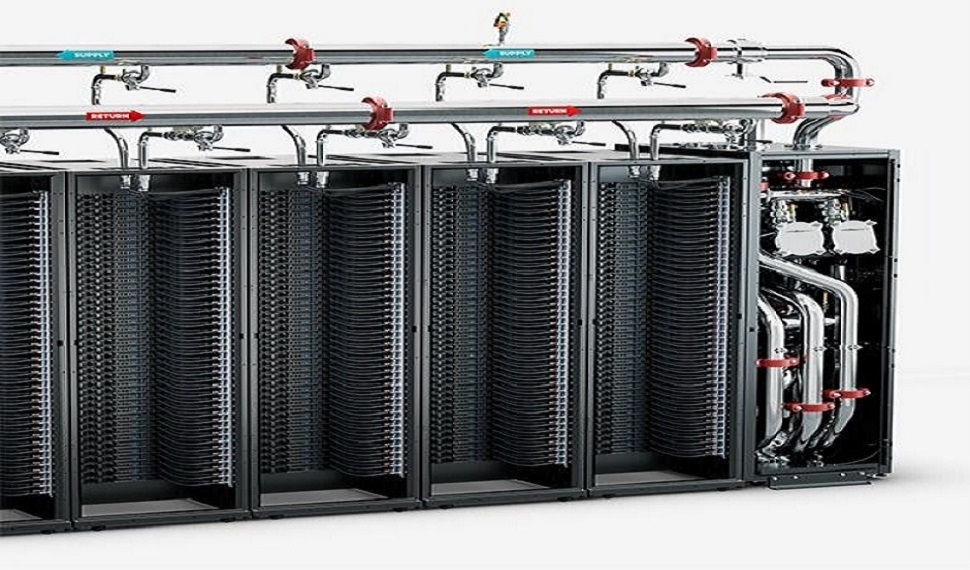
As data center continues to evolve to support artificial intelligence, high-performance computing, and increasingly dense server deployments, thermal management has become one of the most important aspects of infrastructure planning. One of the most important elements within a liquid cooling environment is the rack manifold. While processors, cold plates, and coolant distribution systems often receive significant attention, the manifold plays an equally important role by ensuring coolant is delivered efficiently throughout the cooling loop.
Table of Contents
- Understanding the Role of a Rack Manifold
- Why Rack Manifold Selection Matters?
- Key Factors to Consider When Selecting a Rack Manifold
- Design Features That Improve Performance
- Supporting Sustainability Goals
- Common Mistakes to Avoid
- The Growing Importance of Liquid Cooling Infrastructure
- Conclusion
Understanding the Role of a Rack Manifold
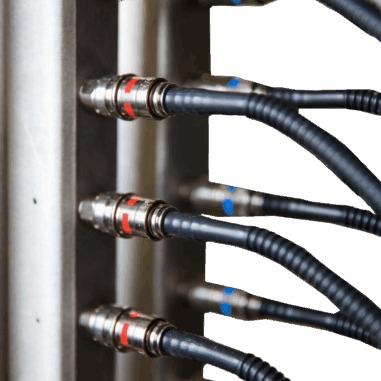
A rack manifold serves as the central distribution point that delivers coolant to multiple servers or cooling components within a rack. It helps manage coolant flow, pressure balance, and thermal consistency throughout the cooling network. Rather than relying on separate connections for each device, the manifold provides a centralized pathway that simplifies coolant distribution and supports more efficient infrastructure management. This design helps improve cooling effectiveness while reducing complexity within high-density computing environments.
As adoption of liquid cooling continues to grow across Canada and globally, the importance of selecting an appropriate manifold solution has become increasingly significant for organizations seeking reliable thermal management.
Why Rack Manifold Selection Matters?
Cooling infrastructure is designed to operate continuously under demanding conditions. Any inefficiency within the coolant delivery network can affect thermal performance, equipment reliability, and overall operational costs.
Choosing the right rack manifold helps organizations:
- Improve coolant distribution consistency
- Support stable operating temperatures
- Reduce pressure imbalances
- Simplify maintenance procedures
- Enable future infrastructure expansion
- Improve overall cooling efficiency
A properly designed system contributes to long-term reliability while supporting evolving workload requirements.
Key Factors to Consider When Selecting a Rack Manifold
Flow Capacity Requirements
One of the first considerations is coolant flow capacity. Different workloads generate varying heat loads, and cooling infrastructure must be designed to accommodate both current and future requirements.
Organizations should evaluate:
- Current rack power densities
- Expected workload growth
- Future hardware upgrades
- Peak cooling demand scenarios
Selecting a solution with sufficient capacity helps prevent future limitations and ensures cooling infrastructure remains effective as computing demands increase.
Compatibility with Liquid Cooling Architecture
Not every cooling environment operates the same way. Infrastructure designs vary depending on facility requirements, cooling technologies, and workload characteristics. A liquid cooling rack manifold should integrate seamlessly with the overall cooling architecture while supporting existing and planned cooling components. Compatibility helps reduce installation complexity and supports efficient operation throughout the system lifecycle.
Scalability for Future Growth
Scalability is an increasingly important consideration for modern data center. AI workloads, cloud applications, and advanced computing environments often require frequent infrastructure expansion. Rack manifold allows operators to support future growth without major redesigns or costly infrastructure modifications. Flexible designs can accommodate additional servers and cooling components as operational requirements evolve.
Reliability and System Redundancy
Reliability remains a primary concern for any cooling environment. Downtime associated with cooling failures can lead to significant operational disruptions.
When evaluating solutions, organizations should consider:
- Material durability
- Leak prevention features
- Redundant design capabilities
- Maintenance accessibility
- Long-term operational performance
Design Features That Improve Performance
Modern manifold technologies continue to evolve alongside innovations in liquid cooling. Several design features can contribute to improved cooling performance and operational efficiency.
Optimized Flow Distribution
Balanced coolant delivery is essential for maintaining consistent temperatures across multiple servers and components. Advanced manifold designs help ensure coolant is distributed evenly throughout the rack. This balanced flow improves thermal consistency while reducing hotspots that can negatively impact equipment performance.
Integrated Monitoring Capabilities
Many modern cooling environments benefit from real-time visibility into operating conditions. A dependable rack manifold system supports continuous operation while helping reduce the risk of unexpected cooling interruptions.
Monitoring features can provide valuable information regarding:
- Coolant temperature
- Flow rates
- Pressure levels
- System performance trends
These insights allow operators to identify potential issues early and proactively optimize cooling performance.
Serviceability and Maintenance Access
Maintenance considerations are often overlooked during initial planning stages. However, accessible designs can significantly reduce maintenance time and operational disruptions. An effective server rack manifold should support efficient inspection, servicing, and future upgrades while minimizing downtime during maintenance activities.
Supporting Sustainability Goals
Energy efficiency has become a major focus for organizations seeking to reduce operational costs and environmental impact. Liquid cooling systems are often significantly more efficient than traditional air-based approaches because they remove heat directly from critical components. The effectiveness of coolant delivery directly influences overall cooling efficiency.
Selecting an optimized manifold solution contributes to:
- Reduced energy consumption
- Improved thermal efficiency
- Lower operational costs
- Better infrastructure utilization
- Enhanced sustainability outcomes
As environmental objectives become increasingly important, efficient cooling infrastructure plays a larger role in long-term business planning.

Select the right rack manifold to enhance cooling performance, reliability, and scalability. Reach out to CoolIT Systems today.
Common Mistakes to Avoid
Organizations evaluating cooling infrastructure often encounter several common challenges.
Focusing Only on Current Requirements
Cooling infrastructure should be designed with future growth in mind. Selecting a solution based solely on current workloads can create limitations as computing demands increase.
Overlooking System Integration
A manifold should be evaluated as part of the overall cooling ecosystem rather than as an isolated component. Integration with pumps, heat exchangers, distribution units, and cooling loops is essential for optimal performance.
Ignoring Maintenance Considerations
Maintenance accessibility affects long-term operational efficiency. Infrastructure designs that complicate routine servicing can increase costs and create avoidable downtime.
Prioritizing Cost Over Value
While budget considerations are important, long-term reliability and efficiency often provide greater value than short-term savings. Investing in quality cooling infrastructure can reduce operational risks and improve lifecycle performance.
The Growing Importance of Liquid Cooling Infrastructure
As AI adoption accelerates and computing densities continue to rise, liquid cooling technologies are becoming a foundational element of modern data center equipment. The role of manifold technology continues to expand alongside these developments. Efficient coolant distribution supports higher rack densities, improved thermal management, and more sustainable operations. Organizations that plan for future cooling requirements today are often better positioned to support evolving technology demands tomorrow.
Conclusion
Selecting the right rack manifold requires careful consideration of flow capacity, compatibility, scalability, reliability, and long-term performance objectives. As data center environments become more complex, efficient coolant distribution plays a critical role in maintaining thermal stability and supporting infrastructure growth. By understanding how manifold systems contribute to cooling performance, organizations can make more informed decisions that improve efficiency, reduce operational risks, and support future expansion. Connect with the experts at CoolIT Systems to learn how advanced cooling technologies can support efficiency, reliability, and future scalability.

Frequently Asked Questions
What does a rack manifold do in a liquid cooling system?
A rack manifold distributes coolant throughout a rack, ensuring that multiple servers or cooling components receive consistent coolant flow for efficient heat removal.
Why is manifold selection important for data center?
Selecting the correct manifold helps improve cooling efficiency, maintain stable temperatures, support scalability, and reduce the risk of thermal-related equipment issues.
How does a liquid cooling rack manifold improve efficiency?
It provides centralized coolant distribution, helping reduce pressure imbalances, improve heat transfer effectiveness, and optimize overall cooling performance.
Can rack manifolds support future infrastructure expansion?
Yes. Many modern manifold designs are built to support scalability, allowing organizations to add additional cooling components and compute resources as requirements grow.
What factors should be considered before choosing a manifold solution?
Important considerations include flow capacity, system compatibility, reliability, maintenance accessibility, scalability, and long-term operational requirements.