


Acoustic guitars are known for their rich, resonant sound, which can be greatly influenced by the materials used in their construction. Among these materials, the bracewood plays a crucial role in shaping the instrument’s tone and durability. In this article, we will explore the significance of bracewood in acoustic guitars, why it’s essential for your instrument, and how to choose the right guitar bracewood for sale.
Table of Contents
What is Bracewood?
Bracewood is a type of wood used in the internal acoustic guitar bracewood. These braces, usually carved and shaped to fit the guitar’s body, help provide structural support to the instrument. While many people focus on the tonewood (the wood that forms the top, back, and sides of the guitar), bracewood is just as important in determining the overall sound quality. This type of wood ensures that the guitar remains durable while also contributing to its tonal characteristics.
Why is Bracewood Important for Acoustic Guitars?
The primary function of bracewood is to support the guitar’s top, allowing it to vibrate freely and produce sound. The bracing patterns inside the guitar are carefully designed to maintain the shape of the instrument while providing the right amount of flexibility to enhance its resonance. A well-chosen bracewood helps balance the stiffness and flexibility, contributing to the guitar’s overall tonal balance.
Bracewood also plays an important role in the guitar’s longevity. Properly braced guitars are less likely to warp or crack, which ensures that the instrument will last for years without compromising sound quality.
Types of Bracewood Used in Acoustic Guitars
Different types of wood can be used for guitar braces. Each type of wood has its own unique properties that influence the sound of the instrument.
Spruce Bracewood
Spruce is one of the most common woods used for acoustic guitar bracewood. It is known for its lightness, strength, and flexibility. Spruce bracewood allows the guitar’s top to vibrate with a clear, bright tone while providing the necessary strength to maintain the guitar’s structure.
Maple Bracewood
Maple is another popular choice for bracewood, particularly in guitars that need more rigidity and structure. Maple has a denser grain than spruce, making it less flexible but more durable. Guitars with maple bracewood tend to have a sharper, more focused tone with strong mids and highs.
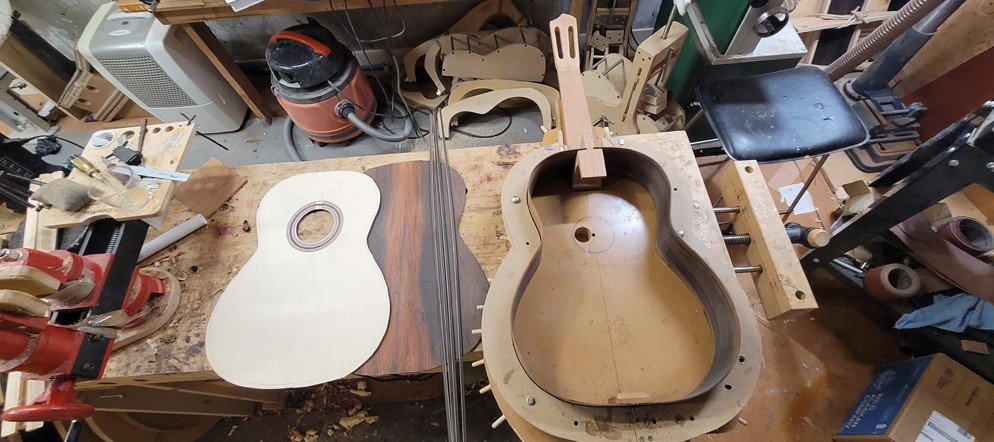
Mahogany Bracewood
Mahogany is a dense hardwood commonly used for guitar bracing. While it doesn’t offer as much flexibility as spruce, it gives the guitar a warm, mellow tone with great sustain. Mahogany bracewood can help reduce unwanted overtones and provide a more balanced sound for fingerstyle players or those seeking a more traditional tone.
How to Choose the Right Guitar Bracewood for Sale
When purchasing bracewood for your guitar, several factors need to be considered. It’s essential to understand the characteristics of the wood and how it will affect your instrument’s sound.
Tonal Qualities
Each type of bracewood contributes different tonal qualities. For a bright and clear sound, spruce is often the preferred choice. If you’re after a warmer tone with a more defined midrange, mahogany might be the better option. It’s also important to consider how the braces will interact with the top wood of your guitar. The combination of these materials will ultimately influence the final sound.
Durability and Stability
Durability is a key consideration when choosing bracewood. Some woods, like maple and mahogany, are more stable than others and can withstand changes in temperature and humidity. This is important because the bracing needs to support the guitar over time without warping or cracking.
Guitar Type
The type of guitar you are building or repairing will also affect your choice of bracewood. For example, if you are building a dreadnought-style guitar, which typically requires more structural support, using a stronger wood like maple or mahogany might be the best option. If you’re working on a smaller-bodied guitar, spruce bracewood may offer the ideal balance of strength and flexibility.
When searching for guitar bracewood for sale, it’s essential to choose high-quality, well-seasoned wood. Many tonewood shops offer various grades of bracewood, from basic to premium, depending on your budget and requirements.
Tonewood Shop: A Key Resource for Quality Bracewood
A tonewood shop is an essential destination for anyone looking for high-quality guitar materials, including bracewood. These shops specialize in sourcing, processing, and selling premium woods specifically for musical instruments. Many tonewood shops offer a variety of bracewood options, each carefully selected for its tonal qualities and durability.
When shopping for bracewood, it’s important to choose a reputable tonewood shop that understands the needs of guitar builders. The best shops will provide detailed information about each type of wood, including its acoustic properties and ideal use. They will also ensure that the wood is properly dried and seasoned, which is crucial for preventing cracks and warping in the future.
How Bracewood Affects Guitar Tone
The choice of bracewood can significantly impact the overall tonal quality of an acoustic guitar bracewood. The braces support the guitar’s top, which is the primary soundboard that generates the sound. When the bracing is too stiff, it can suppress the vibrations of the top, resulting in a dull, lifeless tone. On the other hand, if the braces are too flexible, they can result in a weak, undefined sound.
The ideal bracewood strikes a balance between flexibility and rigidity, allowing the guitar’s top to resonate effectively while providing the necessary structural support. This is why choosing the right bracewood is crucial for achieving the desired tone, whether you prefer bright, punchy tones or a more mellow, warm sound.
FAQs About Acoustic Guitar Bracewood
What is bracewood used for in acoustic guitars?
Bracewood is used to support the top of an acoustic guitar, allowing it to vibrate freely while maintaining the structural integrity of the instrument. It helps influence the guitar’s tonal qualities and durability.
Which types of bracewood are best for my guitar?
The best type of bracewood depends on your tonal preferences and the guitar you’re building or repairing. Spruce is ideal for bright tones, while mahogany offers warmth and sustain. Maple provides more rigidity and focused tones.
How do I choose the right bracewood for my guitar?
Consider the tonal characteristics of each type of wood, the stability and durability of the material, and the style of guitar you’re working on. Additionally, make sure to source high-quality bracewood from a reputable tonewood shop.
Where can I find guitar bracewood for sale?
You can find guitar bracewood for sale at specialized tonewood shops, either online or in physical stores. These shops offer various types of bracewood suited for different guitar styles and tonal preferences.
Why should I buy bracewood from a tonewood shop?
A tonewood shop specializes in providing high-quality woods for musical instruments. They offer properly seasoned bracewood, ensuring that the wood is stable and ready for use in guitar building or repairs.
In conclusion, an essential component in the construction and repair of acoustic guitar bracewood. It not only supports the structure of the instrument but also influences the guitar’s overall tonal quality. By selecting the right bracewood and sourcing it from a reputable tonewood shop, you can ensure that your acoustic guitar produces the best sound possible and remains durable for years to come. Whether you’re looking for guitar bracewood for sale or seeking expert advice on wood selection, always prioritize quality to achieve the finest acoustic experience.