

Tree climbing and chainsaw operations have significant safety risks, requiring professional arborists to be vigilant and thoroughly equipped. Arborists frequently encounter hazardous scenarios, from working at significant heights to operating powerful chainsaws. Therefore, using the correct arborist climbing gear isn’t optional—it’s essential. This article guides arborists through must-have gear, techniques, and maintenance practices, ensuring both safety and efficiency during tree care operations.
Table of Contents
- Essential Tree Climbing Equipment
- Teufelberger Tachyon Climbing Rope
- Chainsaw Safety Essentials
- Advanced Rope Climbing Techniques
- Proper Maintenance and Care of Climbing and Safety Gear
- Notch Regular Chainsaw Chaps
- Additional Recommendations for Arborists
- ALL GEAR Polyester Arborist Climbing Rope – Forestry Pro
- FAQs
- Conclusion
Essential Tree Climbing Equipment
Equipment reliability directly affects safety when climbing trees. The arborist climbing rope is among the most crucial gear items, serving as your primary lifeline during operations.
Importance of Choosing the Right Arborist Climbing Rope
Selecting the right arborist climbing rope isn’t merely about comfort—it’s about ensuring safety. A quality rope must have excellent knotability, be abrasion-resistant, and provide dependable strength. The arborist climbing rope is specifically engineered to withstand harsh conditions, making tree care operations safer and smoother. Additionally, using the proper rope minimizes fatigue and reduces the risk of accidents during prolonged climbs. Investing in a high-quality rope also significantly extends your gear’s lifespan, saving costs in the long run.
Understanding Tree Climbing Rope Varieties
Tree climbing ropes come in various designs—static, dynamic, double-braid, and multi-strand ropes. Each serves specific purposes. Static ropes are excellent for ascending and rigging, while dynamic ropes offer essential shock absorption. It’s vital to choose a rope appropriate to the specific climbing tasks you frequently undertake. Misuse or mismatching of rope types can lead to dangerous climbing conditions. Therefore, thorough knowledge and proper selection of ropes directly contribute to safer and more efficient arborist operations.
Teufelberger Tachyon Climbing Rope
The Teufelberger tachyon climbing rope is a popular choice among professional arborists due to its exceptional performance with mechanical climbing systems. Its 24-strand, solid braid design offers excellent handling and flexibility, while its polyester cover significantly enhances friction hitch performance. Designed specifically for tree care, the Tachyon Rope effectively reduces climber fatigue through its comfortable grip, consistent diameter, and easy splicing capabilities.

Key Features:
- EN 1891A and ANSI Z133-20112 Certified
- Low stretch at low loads; high shock absorption at higher loads
- Minimum Break Strength: 5,500 lbs
- Excellent knotability and abrasion resistance
- Ideal for mechanical climbing systems
Chainsaw Safety Essentials
Chainsaw injuries can be severe; hence, safety gear designed specifically for chainsaw operation is essential for arborists. Chainsaw safety chaps protect workers from potentially life-altering injuries.
Why Chainsaw Safety Chaps are a Must-Have
Chainsaw accidents are common in tree-care operations, often resulting in serious leg injuries. Chainsaw safety chaps act as a protective barrier, significantly reducing the risk of injury by rapidly stopping or slowing down the chain upon contact. Investing in safety chaps for chainsaw protection is thus critical for all professionals. Moreover, these chaps can minimize the severity of injuries, allowing arborists valuable reaction time during an accident. Their durable construction also provides comfort, enabling prolonged wear without hindering mobility or performance.
Choosing the Best Chaps for Chainsaw Protection
When selecting chaps for chainsaws, arborists must consider the protective standards met by the product, comfort, flexibility, and durability. Ensure your chosen chaps comply with OSHA and ASTM standards, guaranteeing maximum safety. It’s also advisable to select chaps with adjustable fittings for personalized comfort and optimal protection. High-visibility colors can further enhance safety, making you visible in complex work environments.
Advanced Rope Climbing Techniques
Advanced rope climbing techniques allow arborists to work efficiently, safely, and quickly, even at considerable heights. Understanding these techniques enhances your overall effectiveness and safety.
Mastering Top Rope Climbing for Arborists
Top rope climbing is a method in which the climbing rope is securely anchored above the climber, significantly reducing the risk of falls. Mastering top rope climbing allows arborists to maneuver safely in complex tree environments and manage workloads efficiently. It also enables arborists to remain stable while making precise cuts or adjustments during tree care operations. Proper mastery of this technique significantly boosts confidence and reduces stress when operating at heights.
Key Considerations in Rope Climbing Techniques
Efficiency in climbing requires knowledge about various rope & climbing techniques, such as Single Rope Technique (SRT) and Double Rope Technique (DRT). Proper rope management, positioning, and anchoring techniques help avoid accidents and streamline your climbing process. Training regularly in these techniques is essential to maintain skill proficiency and to adapt to various tree types and environmental conditions. Additionally, understanding your gear’s limitations and strengths is vital to maximizing climbing safety.

Proper Maintenance and Care of Climbing and Safety Gear
The longevity of your gear greatly depends on regular maintenance. Proper care ensures the continued reliability and safety of your equipment.
Maintaining Your Arborist Climbing Rope
Regularly inspect your arborist climbing rope for wear, abrasions, or fraying. Store ropes in clean, dry places, away from chemicals or sharp objects. Properly maintained ropes significantly enhance safety and performance during climbing. Always follow the manufacturer’s guidelines for rope cleaning and drying to preserve integrity. Rotating multiple ropes for different climbing jobs can extend their service life and provide a safer climbing experience.
Caring for Your Chainsaw Protective Clothing
Chainsaw protective clothing, including chaps and pants, should be inspected for cuts, frays, or weakened fibers after every use. Cleaning protective clothing according to the manufacturer’s guidelines preserves their integrity and protective capability. Regular maintenance helps detect early signs of wear and tear, ensuring that protective garments always function optimally during operations. Replace protective clothing immediately if damage compromises its structural integrity, even if the damage appears minimal.
Notch Regular Chainsaw Chaps
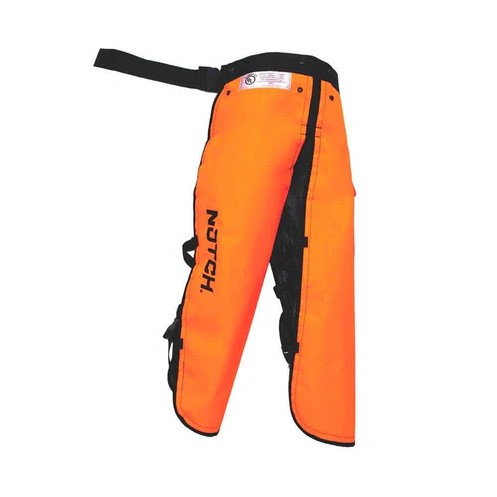
The Notch regular chainsaw chaps provide arborists with essential leg protection, combining superior comfort with outstanding safety. Made with lightweight, 5-layer protective fibers designed to rapidly halt chainsaw chains, these chaps are ideal for prolonged tree care operations. They meet rigorous OSHA and UL certification standards, guaranteeing reliable frontal protection from ankle to waist.
Key Features:
- UL Certified ASTM F1897-20 and OSHA 1910-266 compliant
- Lightweight, 5-layer chainsaw-stopping fiber blend
- Adjustable waist (26″–48″) and elastic leg straps ensure comfort
- Quick snap fasteners for easy use
- Durable, protective, and comfortable for extended wear
Additional Recommendations for Arborists
Regular gear inspection is essential, but knowing precisely when to replace your gear can save your life. Arborists should continuously monitor the performance of equipment to ensure safety standards.
When to Replace Your Tree Climbing Rope
Replace your climbing rope immediately if you detect core damage, extensive abrasion, stiffness, or after exposure to harmful chemicals or extreme conditions. Even minor compromises to rope integrity significantly increase risk during climbing operations. Regularly checking your rope before and after each climb helps catch early signs of deterioration. Manufacturers also recommend retiring ropes after a certain number of uses or years, regardless of visible wear, to ensure continued safety.
ALL GEAR Polyester Arborist Climbing Rope – Forestry Pro
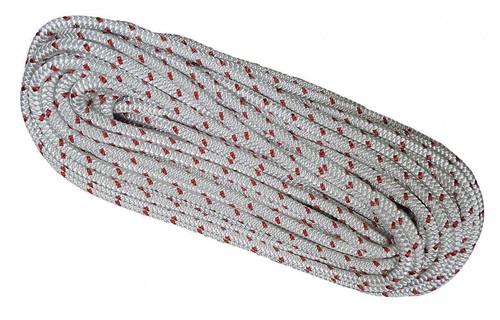
The ALL GEAR Forestry Pro polyester arborist climbing rope is a reliable safety line trusted by industry professionals. Constructed from 100% polyester, it provides high tensile strength, minimal stretch, and remarkable resistance to abrasion and weathering. Its bright colors ensure high visibility during climbing operations, significantly enhancing safety when working in challenging arboreal environments.
Key Features:
- High tensile strength up to 7,300 lbs
- 100% polyester construction ensures durability and minimal stretch
- Resistant to moisture, UV degradation, and abrasion
- Available in multiple lengths and thickness options
- Excellent visibility for safe climbing operations
FAQs
How often should arborist climbing ropes be replaced?
Generally, climbing ropes should be replaced every 1–2 years or immediately after significant damage, heavy wear, or chemical exposure. Regular inspection is key to ensuring rope integrity and climber safety.
Are chainsaw chaps enough protection, or should I also use chainsaw pants?
Chaps provide excellent leg protection, but chainsaw pants offer additional comfort and protection, especially for prolonged operations. The choice often depends on job duration and personal comfort preference.
Can regular ropes be used as tree-climbing ropes?
No. Regular ropes lack the specific safety, strength, and durability features required for safe tree climbing. Always use certified arborist climbing ropes to ensure proper support and load resistance.
What certifications should I look for in climbing ropes and safety chaps?
Look for climbing ropes that meet EN 1891A and ANSI Z133 standards. For chainsaw chaps, ensure compliance with OSHA 1910-266 and ASTM F1897-20 to guarantee reliable protection.
How do I clean and store chainsaw safety gear?
Chainsaw safety gear should be cleaned with mild soap and cold water, avoiding harsh chemicals or high heat. Store in a dry, cool place away from direct sunlight and contaminants to preserve its protective qualities.
Conclusion
Proper safety equipment significantly reduces risks associated with tree climbing and chainsaw operations. By choosing reliable arborist ropes, utilizing chainsaw safety chaps, and mastering advanced climbing techniques, professional arborists ensure safer and more efficient operations. Regular maintenance, timely equipment replacement, and ongoing safety education are vital practices every arborist should embrace to maintain a safe working environment.