


In the demanding world of construction and mining, having the right equipment is essential to maintain productivity while ensuring efficiency. When it comes to wheel loaders, New Zealand (NZ) businesses rely heavily on machinery that offers a perfect balance of durability and performance. The key to success lies in selecting wheel loaders that not only withstand the tough conditions but also maximise operational efficiency. This is where advanced models shine, especially in industries like construction, roadworks, and heavy material handling.
Table of Contents
- Understanding Wheel Loaders in NZ
- Komatsu Wheel Loaders: Pioneering Innovation and Durability
- Choosing the Right Wheel Loader for Your Business
- Benefits of Using Wheel Loaders in New Zealand
- FAQs
- What makes a wheel loader ideal for New Zealand’s construction and mining industries?
- How does the WA320-8 Wheel Loader help with fuel efficiency?
- Is the WA380-8 Wheel Loader suitable for large-scale construction projects?
- What safety features are present in the WA380-8 Wheel Loader?
- How can I improve productivity with a wheel loader in New Zealand?
Understanding Wheel Loaders in NZ
A wheel loader is a heavy construction vehicle used primarily for loading materials such as gravel, sand, or dirt onto trucks or into a pile. They are an essential piece of machinery for many industries in New Zealand, where the rugged landscape and varied working conditions demand equipment that can perform well under extreme pressures.
When choosing a wheel loader, it’s crucial to look for a machine that combines strength, efficiency, and the ability to work in various environments. In New Zealand, where construction and mining operations are diverse, having versatile and durable equipment is non-negotiable. Additionally, fuel efficiency and ease of maintenance are key considerations for any company looking to optimise operational costs while maximising productivity.
Komatsu Wheel Loaders: Pioneering Innovation and Durability
For New Zealand businesses, the right wheel loader can make all the difference. Komatsu, a leader in the heavy machinery sector, offers some of the most durable and efficient wheel loaders available. These machines are built to handle the harshest conditions while offering superior performance. Two standout models are the WA320-8 and the WA380-8, each offering unique features tailored to different operational needs.
WA320-8 Wheel Loader: A Perfect Blend of Performance and Efficiency
The WA320-8 wheel loader is designed for medium-sized operations where performance and fuel efficiency are paramount. Its impressive features make it an ideal choice for a range of industries, from construction to agriculture.
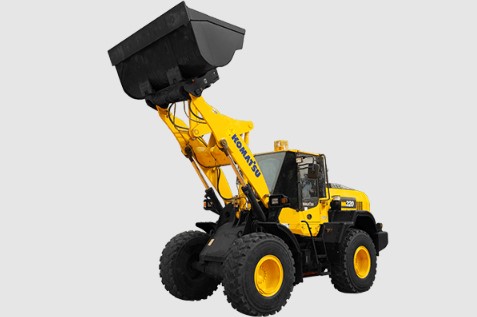
Key Features of the WA320-8
- Engine Power and Performance: Powered by a high-output engine, the WA320-8 delivers exceptional performance while keeping fuel consumption low. This ensures that businesses can keep operating costs under control while benefiting from consistent power delivery.
- Enhanced Hydraulic System: The WA320-8 is equipped with an advanced hydraulic system that ensures smooth operations when handling heavy materials. This is especially important for jobs that require precision and speed.
- Operator Comfort: A spacious, ergonomically designed cab allows operators to work comfortably for longer hours. Features such as air conditioning, adjustable seating, and easy-to-use controls enhance overall work productivity.
- Environmental Responsibility: This model is built with sustainability in mind. Its efficient fuel use and minimal emissions make it an environmentally friendly choice for businesses looking to reduce their carbon footprint.
For those in New Zealand who need a versatile and dependable wheel loader, the WA320-8 offers an excellent solution for efficient material handling.
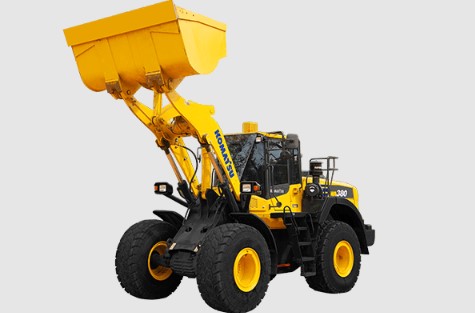
WA380-8 Wheel Loader: Power and Versatility for Large-Scale Projects
The WA380-8 is a larger, more powerful wheel loader NZ ideal for heavy-duty tasks. This model is perfect for large-scale construction sites and mining operations, where a higher lifting capacity and more robust performance are required.
Key Features of the WA380-8
- Increased Lifting Capacity: The WA380-8 is built to handle larger volumes of materials. With a bigger bucket capacity, it can handle more material in less time, significantly improving productivity.
- Powerful Engine and Fuel Efficiency: Like the WA320-8, the WA380-8 is designed to maximise power while minimising fuel consumption. This balance ensures lower operational costs over time, making it a reliable choice for larger projects.
- Superior Visibility and Safety: The design of the WA380-8 prioritises operator safety with excellent visibility from the cab. This is crucial when working in busy environments where safety is of the utmost importance.
- Rugged Durability: Designed to work in demanding conditions, the WA380-8 wheel loader offers exceptional durability. Whether you’re working on rough terrains or handling tough materials, this model can endure the pressure.
For businesses operating on larger construction projects or in the mining sector in New Zealand, the WA380-8 is an indispensable tool for handling heavy loads and increasing operational efficiency.
Choosing the Right Wheel Loader for Your Business
Selecting the right wheel loader can significantly impact your business’s bottom line. When considering which model suits your needs best, it’s important to think about the size of the operation, the type of work being done, and the desired performance characteristics. For medium-scale operations, the WA320-8 offers an ideal mix of fuel efficiency, performance, and ease of use. On the other hand, the WA380-8 is better suited for larger projects where lifting capacity and heavy-duty performance are essential.
Benefits of Using Wheel Loaders in New Zealand
- Increased Productivity: Wheel loaders are designed to move materials quickly and efficiently, ensuring projects stay on schedule and within budget.
- Versatility: Whether you’re working on a construction site, in agriculture, or a mining operation, wheel loaders can handle a wide range of materials and tasks.
- Fuel Efficiency: Modern wheel loaders are engineered to be fuel-efficient, helping businesses reduce their operating costs while improving their environmental footprint.
- Durability: With the harsh New Zealand environment in mind, high-quality wheel loaders are built to endure tough working conditions, ensuring that businesses can rely on their equipment for long periods.
- Operator Comfort: Advanced features in newer models ensure that operators can work for longer hours without fatigue, enhancing productivity and reducing downtime.
FAQs
What makes a wheel loader ideal for New Zealand’s construction and mining industries?
A wheel loader ideal for New Zealand’s industries needs to be durable, fuel-efficient, and capable of handling a wide range of materials. The tough environment demands machinery that can withstand extreme conditions and perform optimally.
How does the WA320-8 Wheel Loader help with fuel efficiency?
The WA320-8 is engineered with a fuel-efficient engine and hydraulic system, allowing for lower fuel consumption while delivering the necessary power and performance for a wide variety of tasks.
Is the WA380-8 Wheel Loader suitable for large-scale construction projects?
Yes, the WA380-8 is designed for heavy-duty applications, including large-scale construction and mining projects. Its increased lifting capacity and powerful engine make it ideal for handling larger loads efficiently.
What safety features are present in the WA380-8 Wheel Loader?
The WA380-8 includes excellent visibility from the operator’s cabin, which enhances safety. Additionally, its design incorporates user-friendly controls and stability to ensure smooth operations in various working conditions.
How can I improve productivity with a wheel loader in New Zealand?
Investing in a high-quality wheel loader like the WA320-8 or WA380-8 can significantly improve productivity. Features like fuel efficiency, advanced hydraulics, and operator comfort contribute to faster, more efficient material handling.